7 Things Your Roofer Won't Tell You (But Every Homeowner Needs To Know)
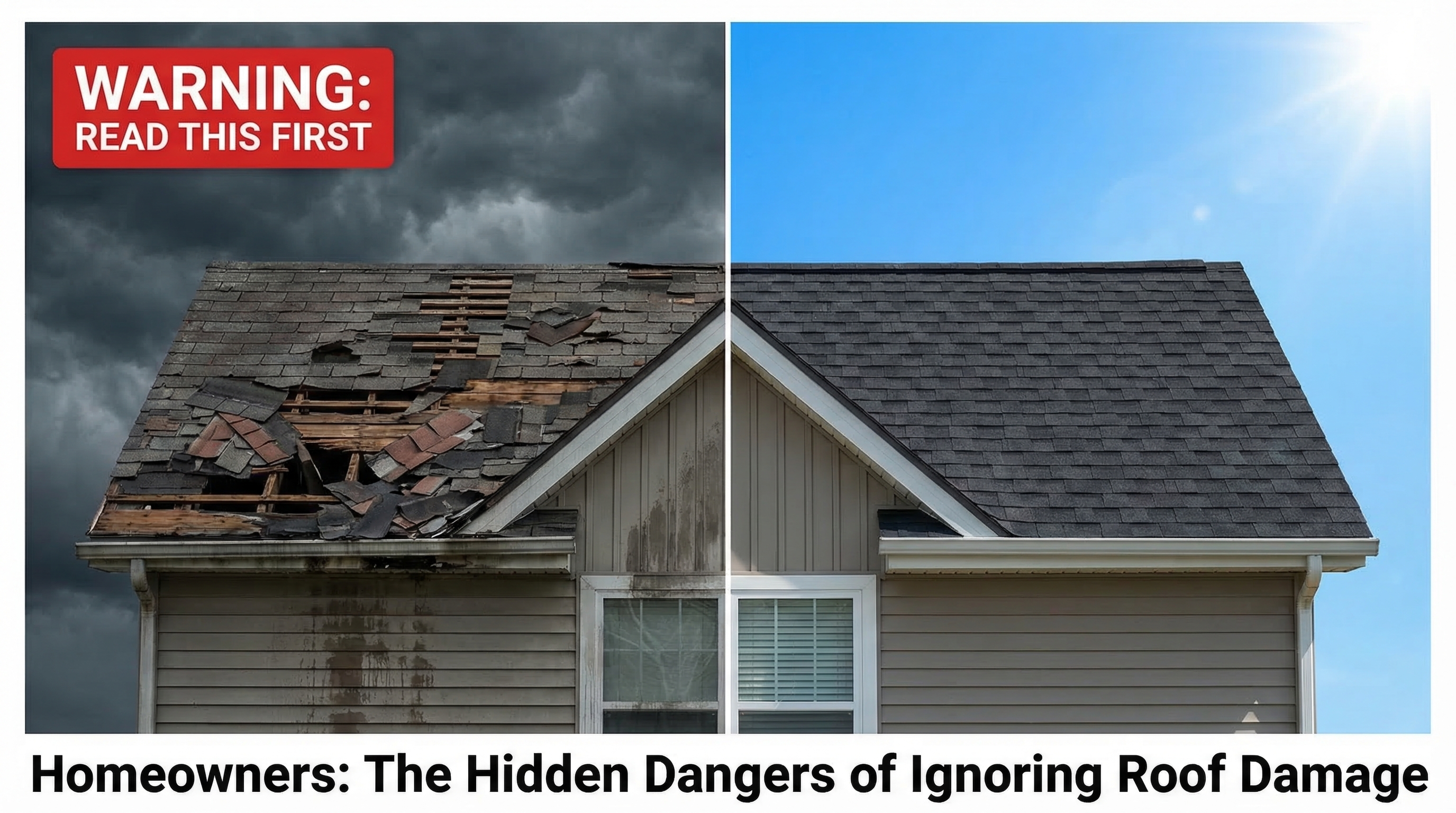
Here's something most people don't think about: the average homeowner replaces their roof once, maybe twice, in their entire life. That's it. Which means when the time comes, you're basically a first-timer, and your roofer knows it.
That's not necessarily a bad thing. Most contractors are honest. But the roofing industry, like any industry, has things it doesn't exactly advertise. We talked to contractors, insurance adjusters, and home inspectors to put together the seven things they wish every homeowner knew before picking up the phone.
1. Your insurance company may owe you more than you think
This is the big one. If you've had a major storm in the past year, hail, high winds, fallen branches, there's a decent chance your homeowner's insurance covers a full roof replacement. Not a patch job. A full replacement.
The catch? Most policies have a 12-month window after a storm event to file a claim. Miss that window and you're paying out of pocket for damage your policy would have covered. A lot of homeowners don't even realize they have damage until it's too late.
An inspection after any significant weather event isn't just smart, it's potentially worth tens of thousands of dollars.
2. "We'll match any price" usually means lower quality materials
When a contractor promises to beat any quote, ask yourself: where's the savings coming from? It's almost never from their profit margin.
The cheapest bid usually means off-brand shingles with shorter warranties and thinner underlayment. Name-brand materials, GAF, Owens Corning, CertainTeed, come with manufacturer warranties that stay with the home even if you sell. That matters more than most people realize.
The price difference between a budget roof and a quality one is often less than you'd expect. But the warranty difference can be 15 to 20 years.
3. A roof inspection is free, and most companies never push for it
If your roof is more than 10 years old, a free inspection is one of the smartest things you can schedule. Most legitimate roofing companies offer them at no cost, no obligation. They'll go up, check for damage, wear, and potential problems, and give you an honest assessment.
The reason most companies don't aggressively market inspections? They'd rather you call when you already need a full replacement. An inspection might reveal that your roof is fine for another five years. That's good for you, less great for their bottom line.
4. The labor warranty matters as much as the material warranty
You can have the best shingles money can buy, but if the installation is sloppy, none of that matters. Improper nailing, bad flashing, poor ventilation, any of these can void your material warranty entirely.
Always ask about the workmanship warranty. A reputable contractor will offer 5 to 10 years minimum on labor. If someone can't guarantee their own work for at least five years, that tells you something.
💡 Editor's Note: If your roof is 10+ years old or you've had storms in the past year, a free inspection is worth scheduling. It costs nothing and could save you thousands down the line.
Get a Free Roof Inspection →5. Roof age affects your homeowner's insurance rate
This one surprises a lot of people. Many insurance companies charge higher premiums, or flat-out drop coverage, for roofs over 20 years old. It makes sense from their perspective: an older roof is a higher risk.
What's less obvious is the flip side. A new roof can actually lower your monthly insurance payment. In some cases, the savings over a few years offset a meaningful chunk of the replacement cost. It's worth running the numbers with your insurer before you assume you can't afford it.
6. Most roofing jobs take 1-2 days, not weeks
The idea that a new roof means weeks of construction, tarps everywhere, and your house looking like a disaster zone? That's outdated. A standard residential roof replacement takes one to two days with a professional crew. Some can be done in a single day.
If a contractor tells you they're booked out three months, that might be true during peak season, but it's also a common negotiation tactic. Get a second opinion. Reputable local contractors can usually schedule within two to three weeks.
7. Getting 3 quotes doesn't mean getting the best deal
Everyone says "get three quotes." Fine advice in theory. The problem is that three quotes usually mean three completely different scopes of work, three different material grades, and three different warranty structures.
Comparing them on price alone is like comparing a Honda to a BMW to a used truck and asking which is the "best deal." You need to know what you're comparing. Ask every contractor to specify materials, warranty terms, and what's included. Then compare apples to apples.
The bottom line is simple: an informed homeowner is a protected homeowner. You don't need to become a roofing expert. But taking 10 minutes to schedule a free inspection costs you nothing and could save you thousands, whether that's through an insurance claim you didn't know about, damage caught early, or simply knowing where you stand.